

Anki and medical exam scores: what a systematic review actually shows
Eleven studies suggest Anki often links to better USMLE Step 1 scores when use is frequent — but course exam results are more mixed.
Tag
All blog posts with this tag.
Eleven studies suggest Anki often links to better USMLE Step 1 scores when use is frequent — but course exam results are more mixed.
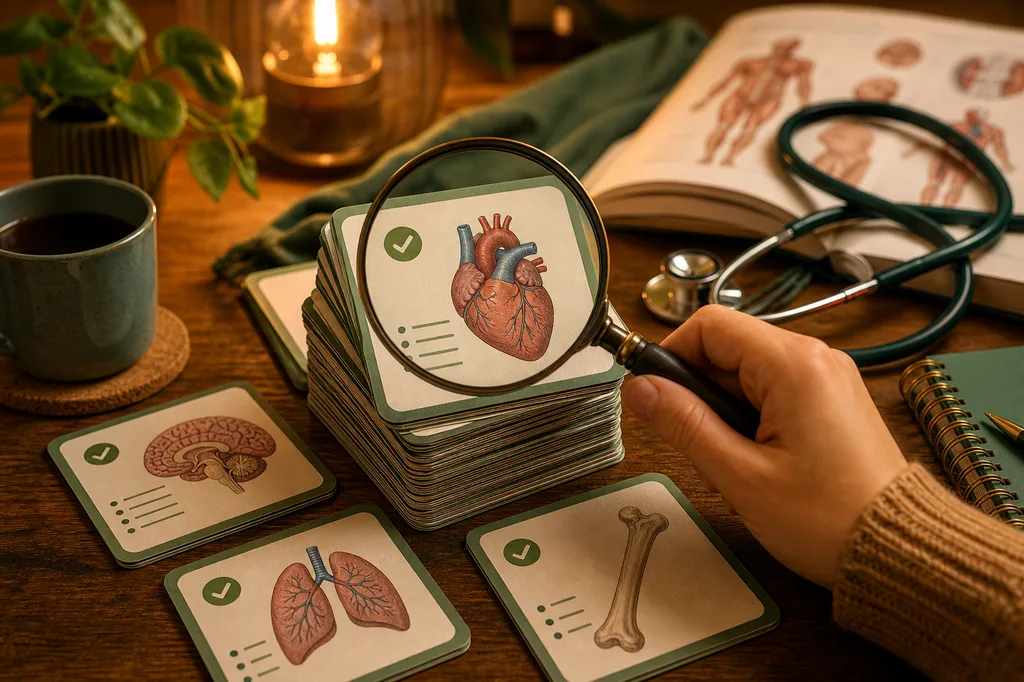
A qualitative review of 1,179 cards from popular med-student decks found varied question types — yet limited clinical complexity overall.

In sea-slug neurons, a second training block worked best about one day after the first — not sooner or much later — hinting at a biological timer for spaced practice.
A conceptual review argues that flashcard-based spaced repetition could help plastic surgery residents retain broad surgical knowledge.
A study of graduate-entry medical students found no overall exam advantage for casual Anki users — but students who used it consistently and extensively performed significantly better.
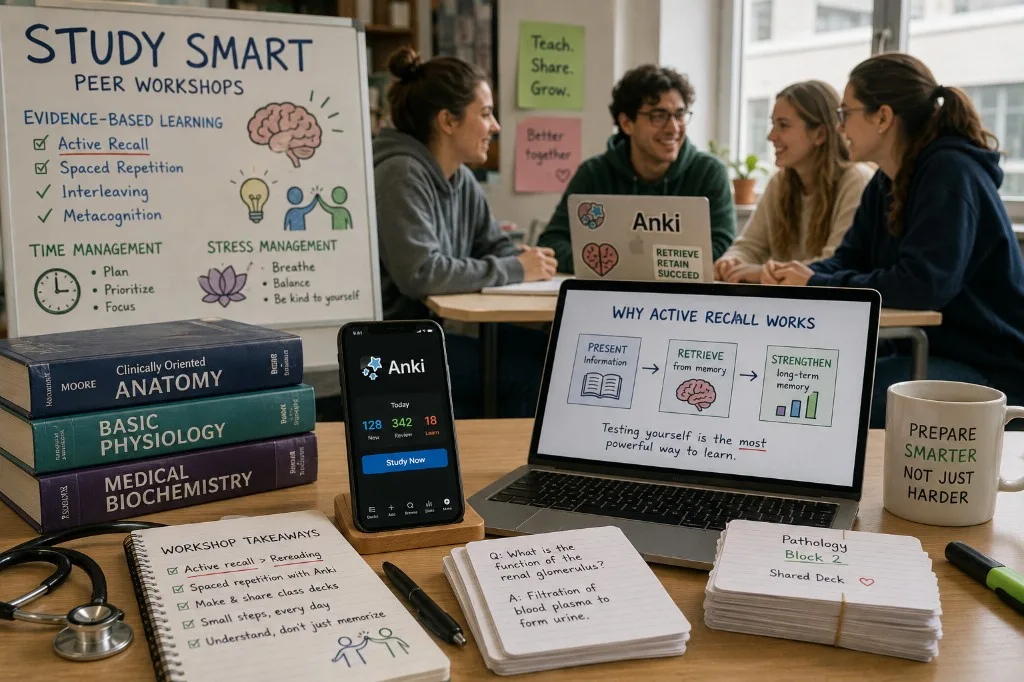
A German “Study Smart” program found that students who attended peer-led workshops were more likely to adopt active recall and shared Anki decks.
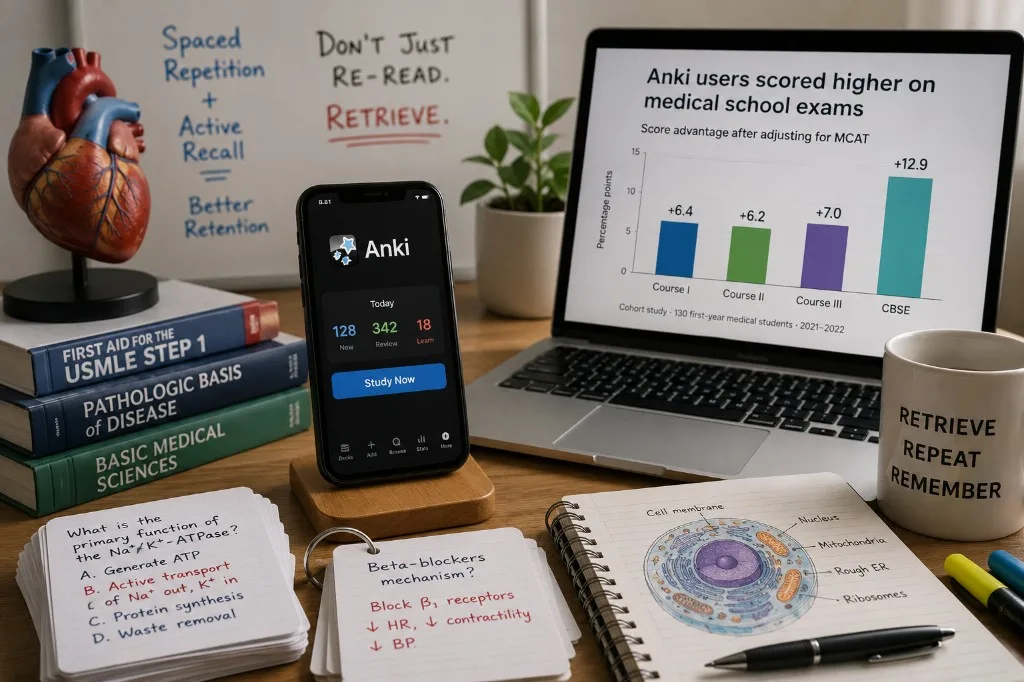
A cohort study found that medical students who used Anki scored higher on exams on average, even after accounting for prior test performance.
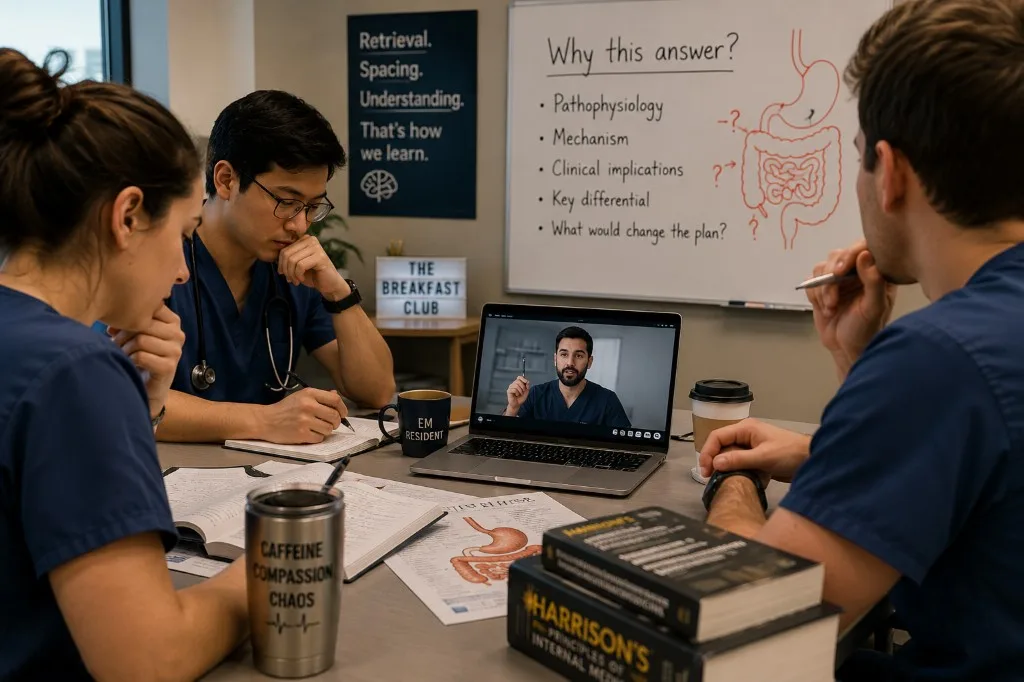
A small emergency medicine residency study suggests that even a single structured session using retrieval practice and explanatory questioning may improve both short- and longer-term test performance.
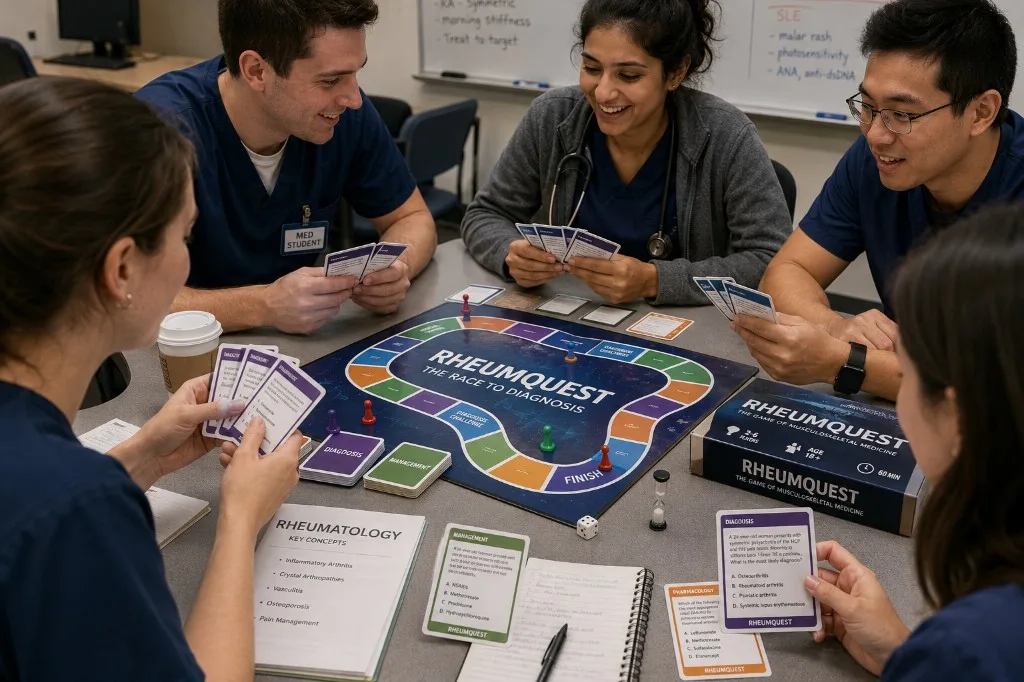
RheumQuest paired competitive gameplay with clinical Q&A cards; knowledge scores rose modestly and confidence improved in a one-hour clerkship session.

A survey of 318 students found Anki users report better retention for pharmacology and pathology, though grades did not differ significantly.

A 2026 Sensors paper reports that DRAKT, which combines reinforcement learning with a forgetting curve, predicted student performance better than common baselines.
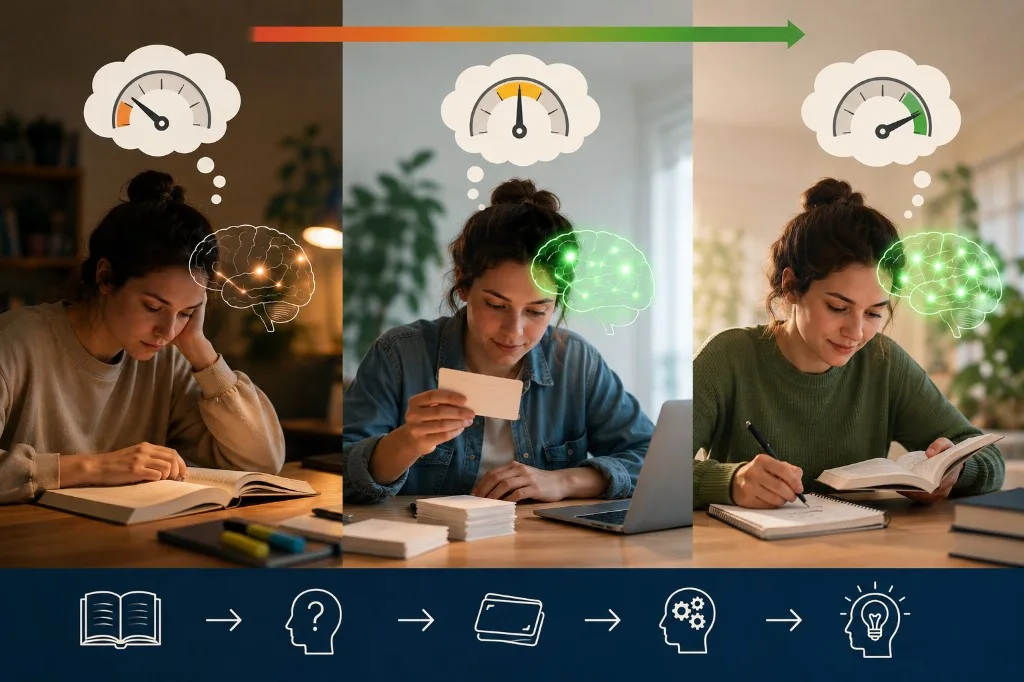
Three experiments suggest that predicting how well you will remember something can improve memory — but the benefit shrinks when learners already use effortful strategies like spaced repetition or reading aloud.

A small RCT in knee-surgery instrument nurses found forgetting-curve scheduling beat conventional review — with gains still visible one month later.

A review of nearly 24,000 scientific papers suggests retrieval-practice research still pays limited attention to neurodivergent learners and learning disabilities.
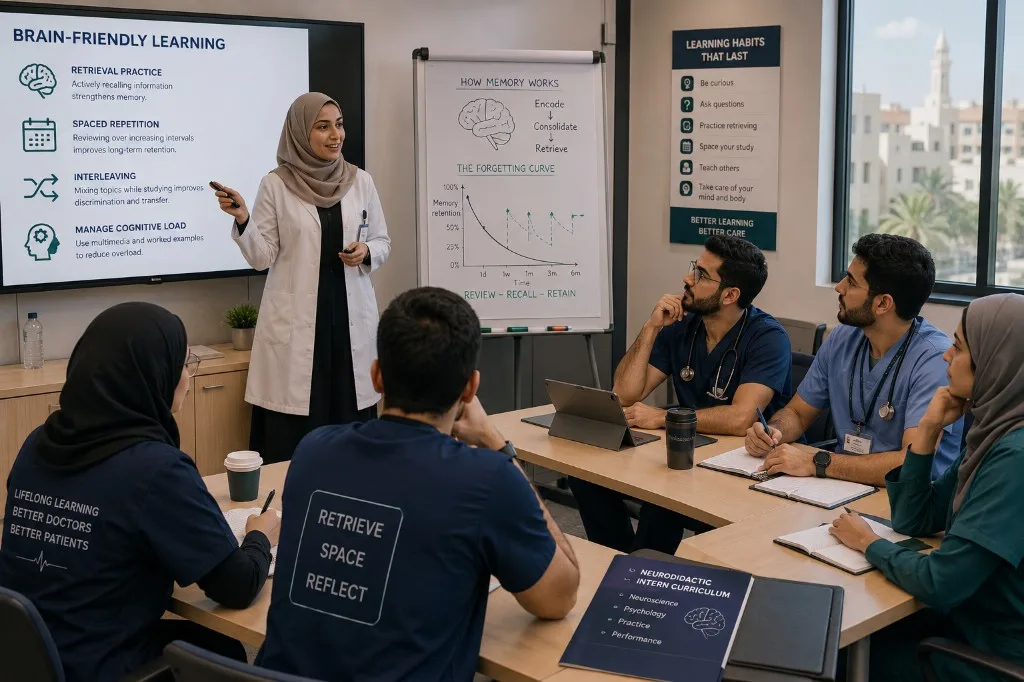
Saudi medical interns took modules on brain-friendly study habits; surveys showed higher engagement, lower reported stress, and improved workplace assessments.

Students in an Indian medical college improved their exam performance after combining retrieval practice with supervised ChatGPT use.
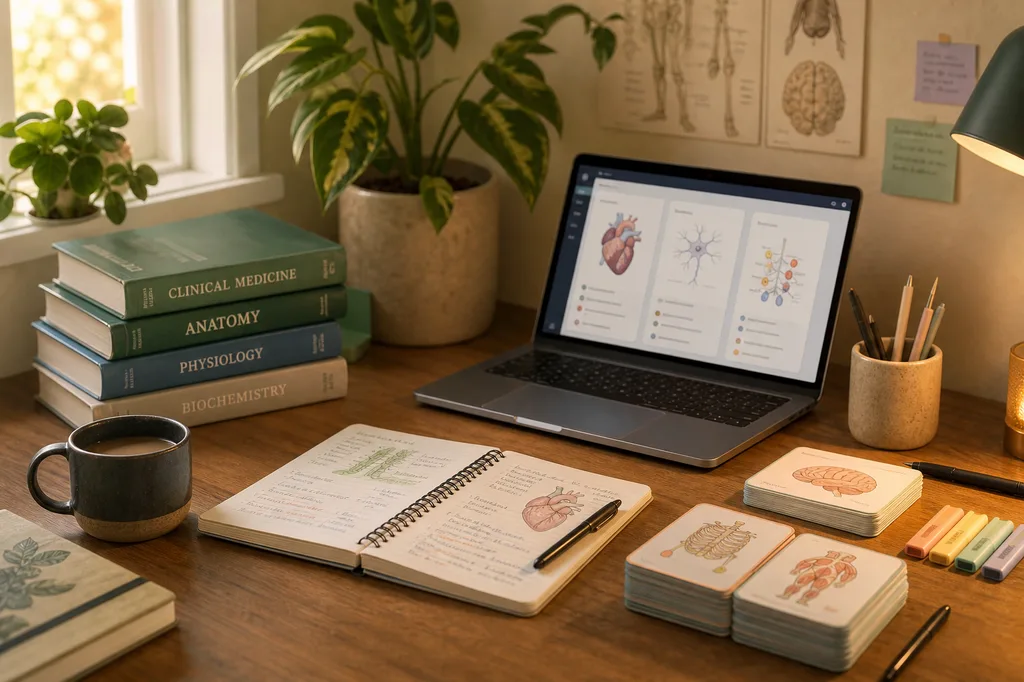
A survey of 31 UK medical students found PassMedicine, Anki, and other external resources dominated AKT prep, with ChatGPT emerging as a study aid.
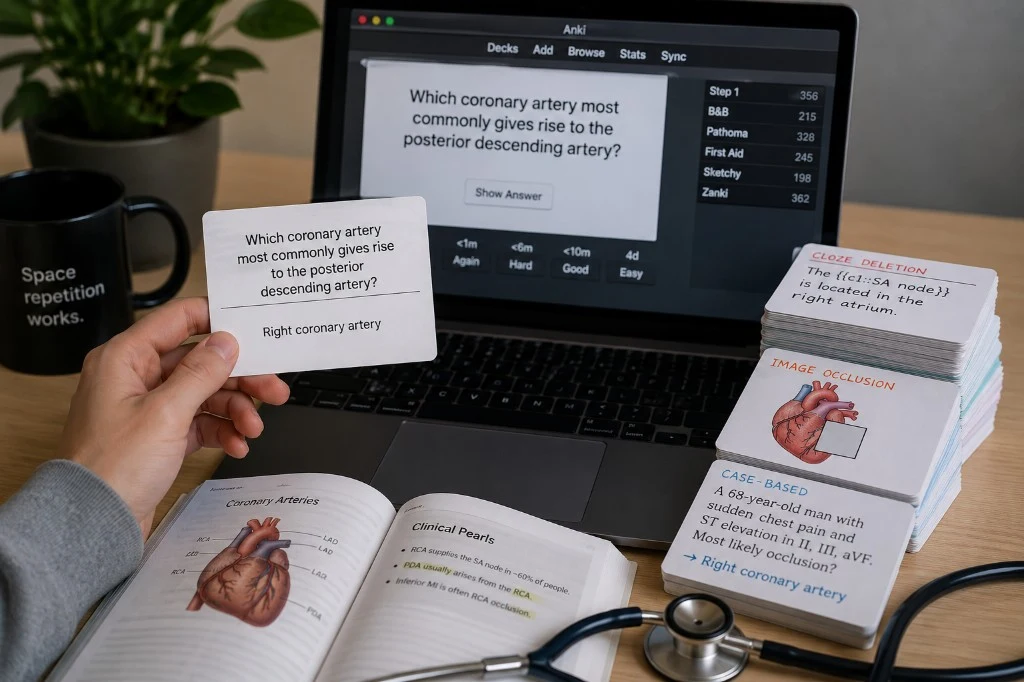
The DEAME framework gives educators and students a shared vocabulary for electronic flashcard design after analyzing 1,300 cards from popular medical Anki decks.
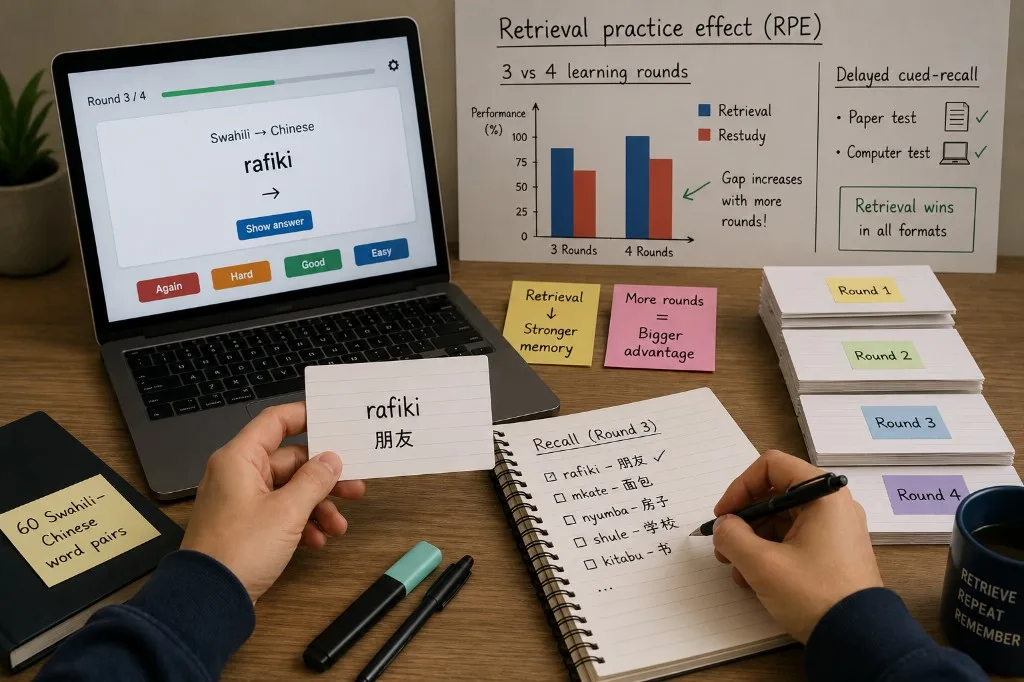
A vocabulary-learning study suggests the advantage of active recall over passive rereading becomes stronger as learners complete more rounds of retrieval practice.
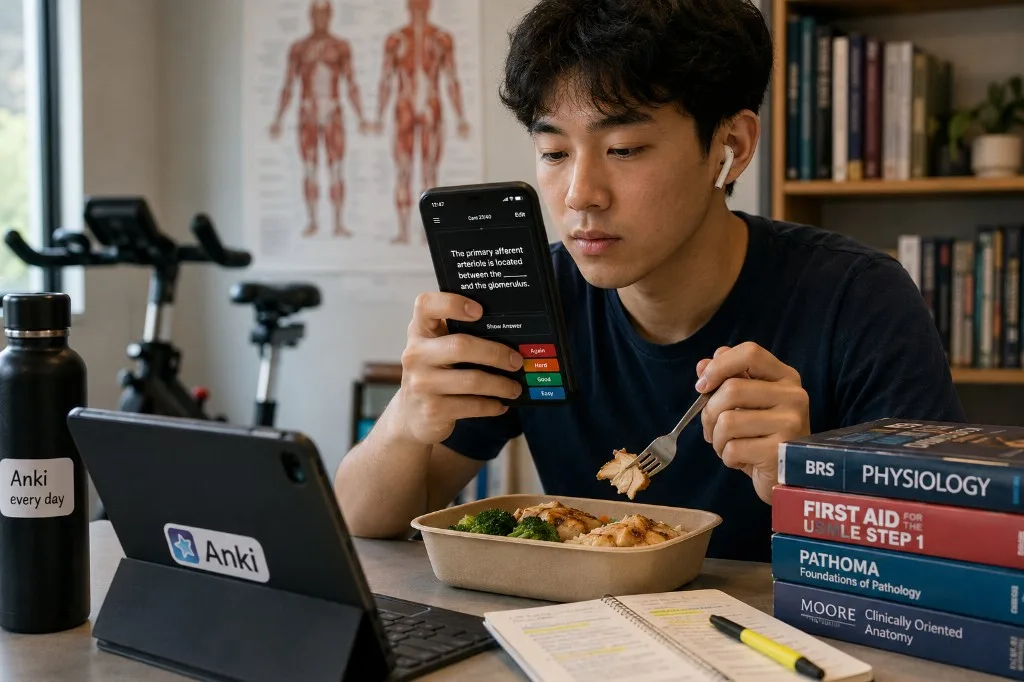
A survey of 74% of one U.S. medical class found heavy reliance on pre-made decks, fill-in-the-blank cards, and multitasking during Anki sessions.
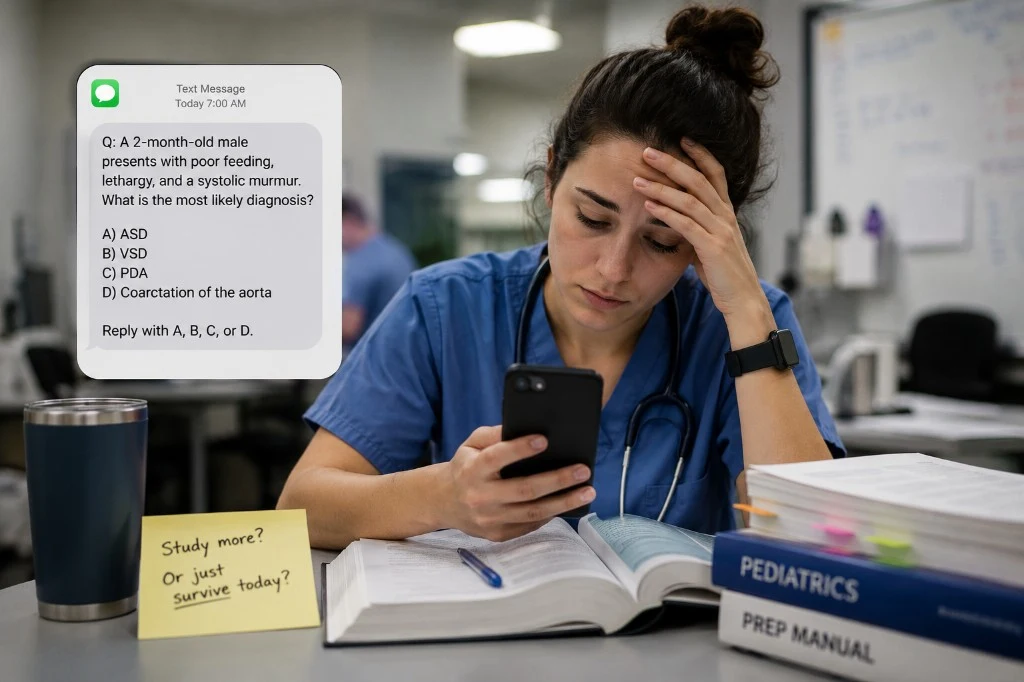
Nearly 300 pediatric residents received one practice question per day for a year — but most barely engaged, and exam scores did not meaningfully change.

Experiments with five- and six-year-olds suggest young children benefit from retrieval practice when learning is structured around frequent early success.
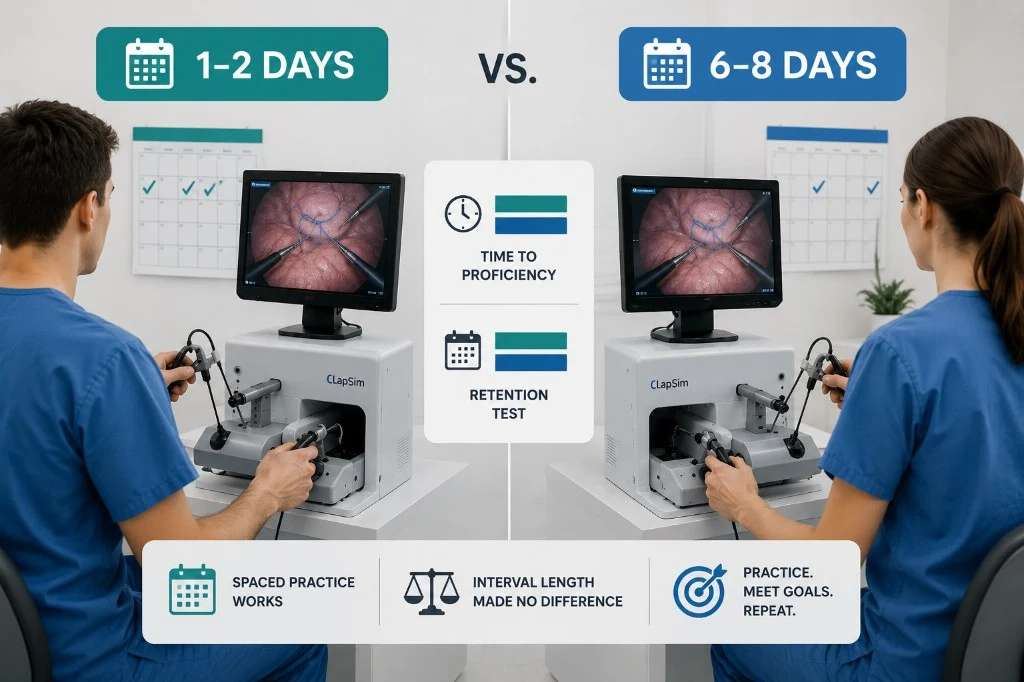
Medical students training on a laparoscopy simulator reached proficiency in similar time whether sessions were spaced by 1–2 days or nearly a week.