

AI vs Human Intelligence: Anatomy, Limits, and Shared Responsibility
A pillar longread on AI and human intelligence: definitions, architecture, learning, memory, error patterns, creativity, accountability, and practical collaboration.
Tag
All blog posts with this tag.
A pillar longread on AI and human intelligence: definitions, architecture, learning, memory, error patterns, creativity, accountability, and practical collaboration.
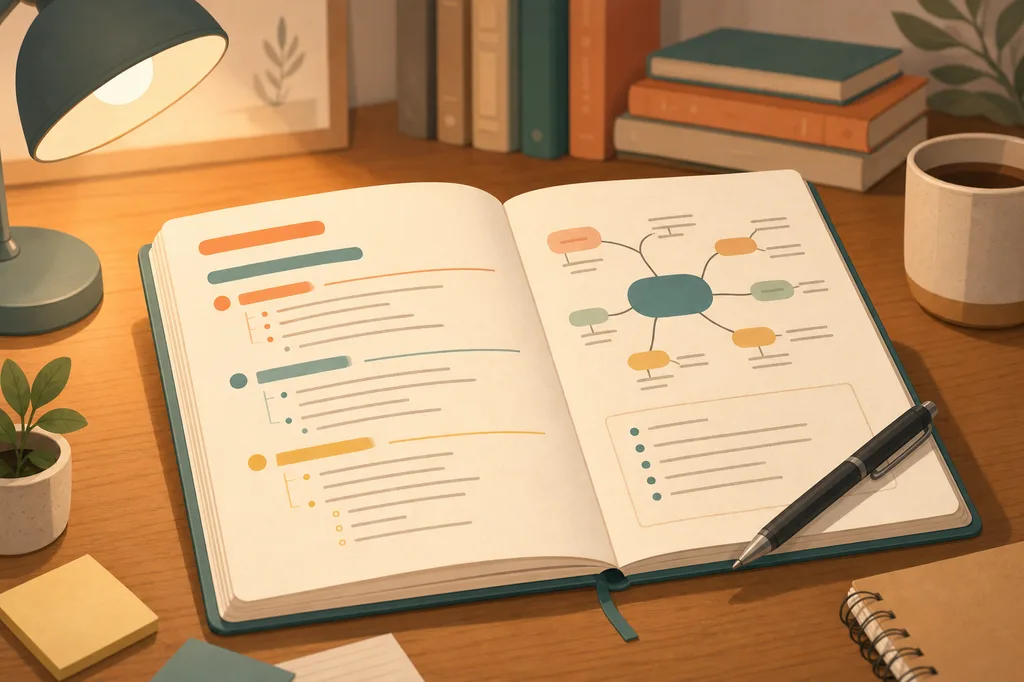
Why most notes fail, Cornell and mind maps, lectures and books, paper vs digital, and how to turn notes into a learning system with active recall and spacing.

A science-based approach to exam prep: active recall, spaced repetition, a 30-day plan, and what to do on exam day — without cramming and the illusion of knowing.

One structured guide to critical reading in the age of feeds and AI summaries — layers of evidence, rhetoric, daily habits, steelman, and tools that support reflection without cynicism.

Before you push back on an article, try the strongest version of its argument — then list what it takes for granted.

Small routines — pause, label, question, compare — that build critical reading without turning every scroll into homework.

From memory mechanisms and the forgetting curve to active recall, spacing, mnemonics, Anki, and your own learning system — an evidence-based guide without myths.

Clear prose, vivid stories, and confident tone can persuade without proving. Here is how to notice rhetorical craft without becoming cynical.

Eleven studies suggest Anki often links to better USMLE Step 1 scores when use is frequent — but course exam results are more mixed.

Learn to separate what a text asserts, what it supports, and what it merely implies — the core move of critical reading.
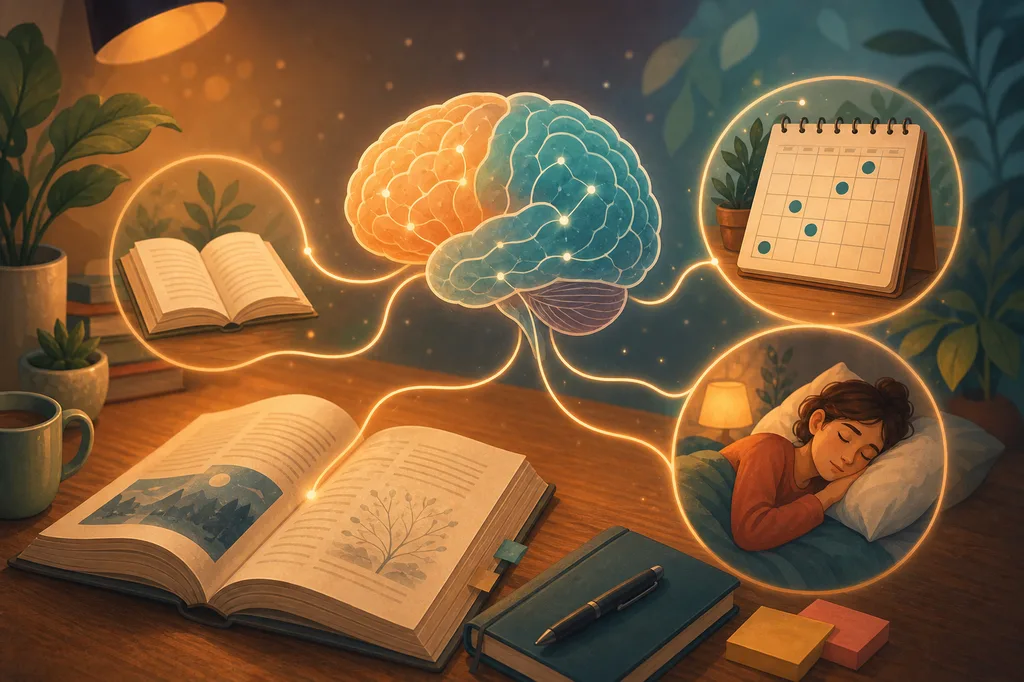
A practical guide to what happens in your brain when you study — encoding, consolidation, retrieval, cognitive load, sleep, and why spacing beats cramming.
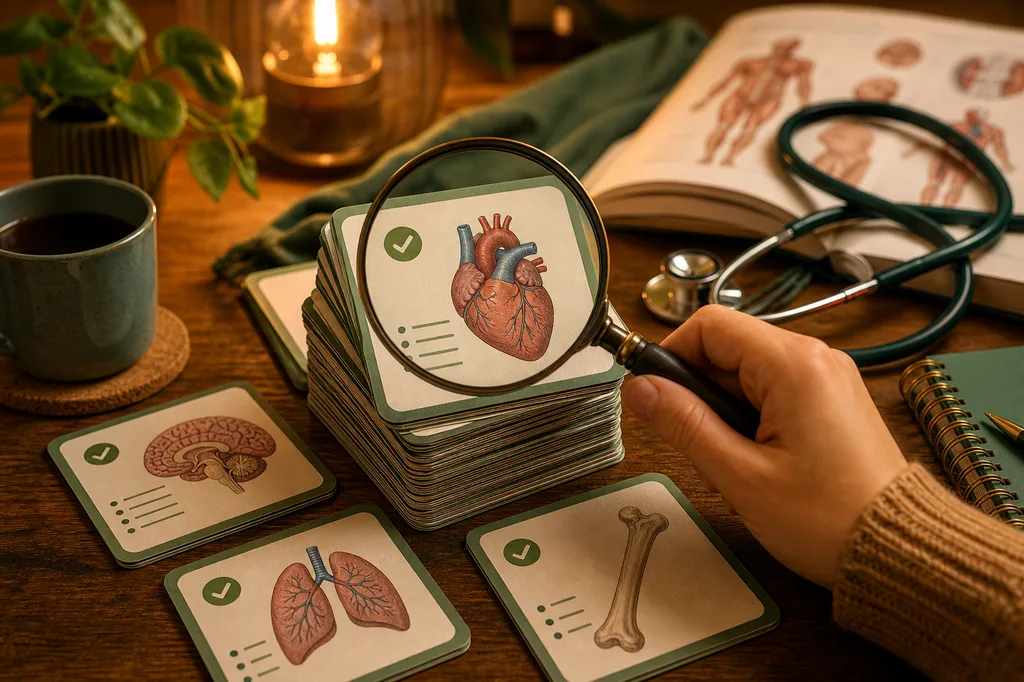
A qualitative review of 1,179 cards from popular med-student decks found varied question types — yet limited clinical complexity overall.

Sixty health students using the MedQuiz serious game plus lectures scored higher right after training than lecture-only peers; long-term retention was not measured.
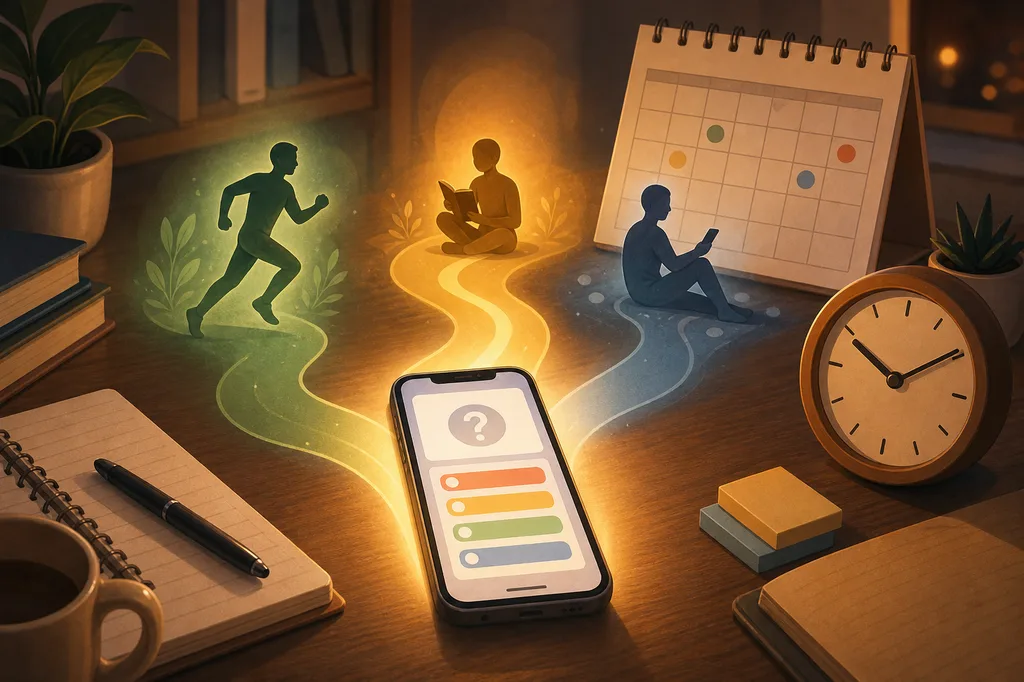
Learning analytics on a retrieval-practice app found active, disengaged, and utilitarian user profiles; active use and time management linked to higher exam scores.

In sea-slug neurons, a second training block worked best about one day after the first — not sooner or much later — hinting at a biological timer for spaced practice.
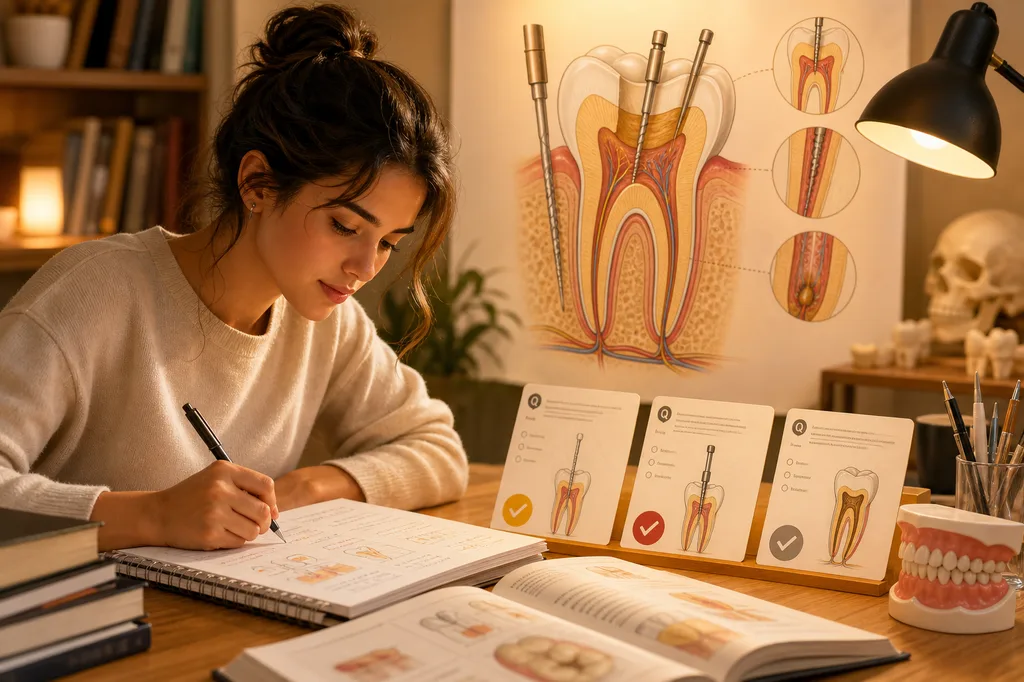
In one endodontics course, students scored higher on material quizzed after each lecture than on material they only heard once — with a large effect size.

Speed reading is not the same as understanding. Here is why structured thinking about texts remains a learnable skill — not cynicism.

Turkish fourth graders who used Brain Breaks activity videos for four weeks showed stronger attentional control and higher social studies quiz scores than classmates without the breaks.

A 2024 meta-analysis of children aged 3–6 links structured music training to better inhibitory control, working memory, and cognitive flexibility, with dose hints for parents and teachers.

After accounting for study quality, a 2020 review of nearly 7,000 children finds no reliable boost to general cognition or grades from music programs — a caution for “brain training” claims.

HiddenLogic introduces ThinkLens — a Telegram bot that breaks down claims, evidence, and rhetoric without labeling texts true or false.

A 2026 systematic review of randomized exercise studies in 8–17-year-olds finds consistent attention gains, underscoring why PE and movement belong in learning-science conversations.
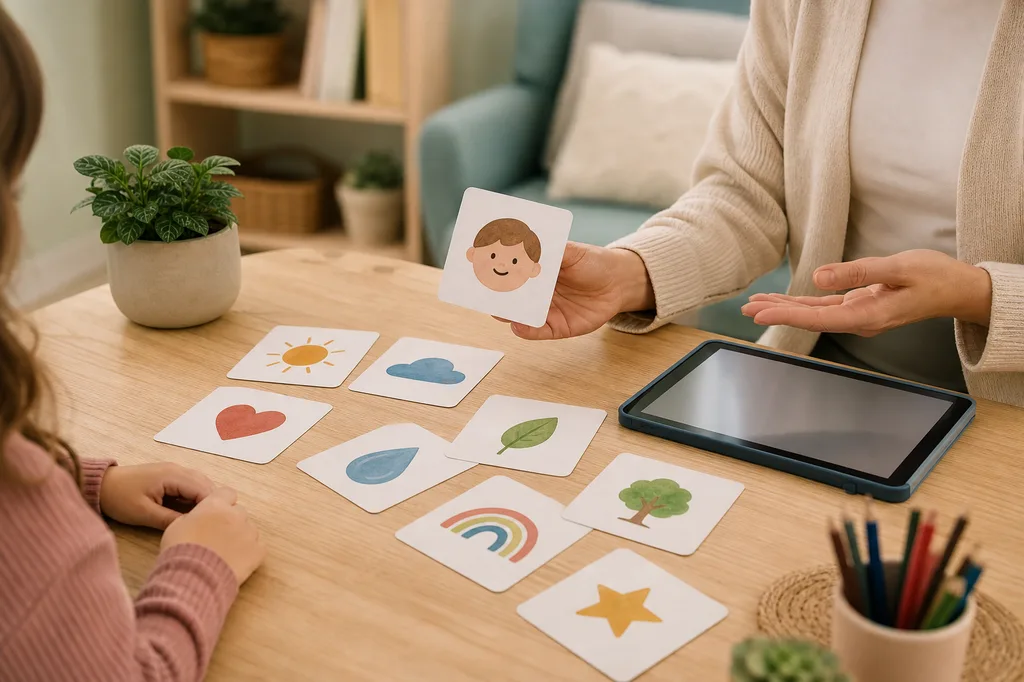
A single-case alternating-treatments study compared receptive labeling with flashcards versus tablet slides for a six-year-old child with ASD.
Postgraduate trainees in a PLOS ONE pilot used flashcards and micro-lectures in an online course; mean scores rose from about 44% to 96%.
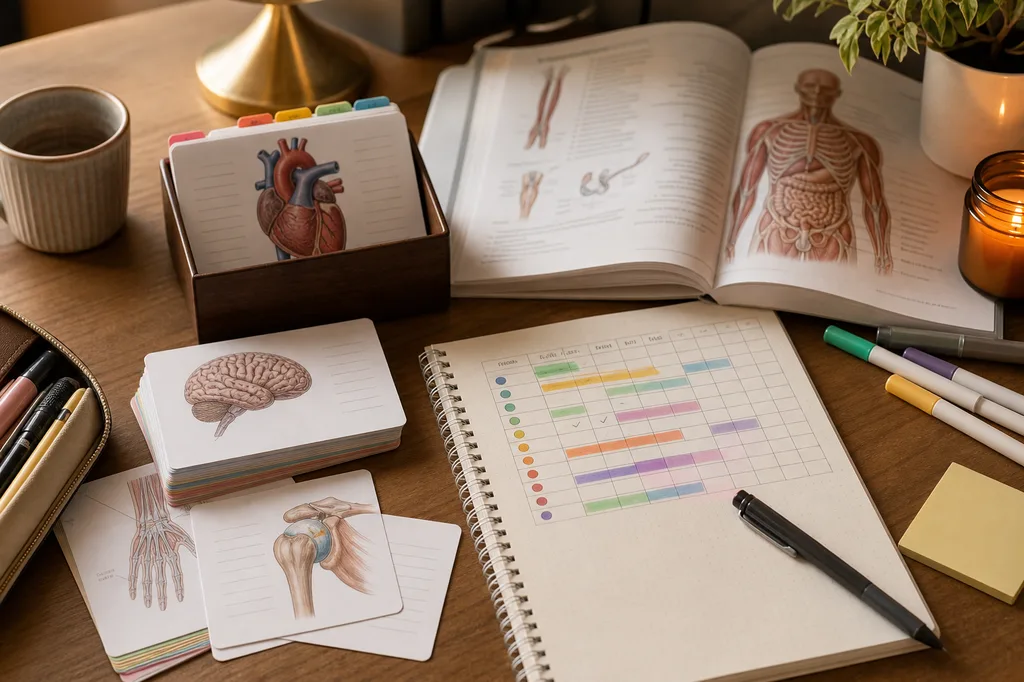
A conceptual review argues that flashcard-based spaced repetition could help plastic surgery residents retain broad surgical knowledge.
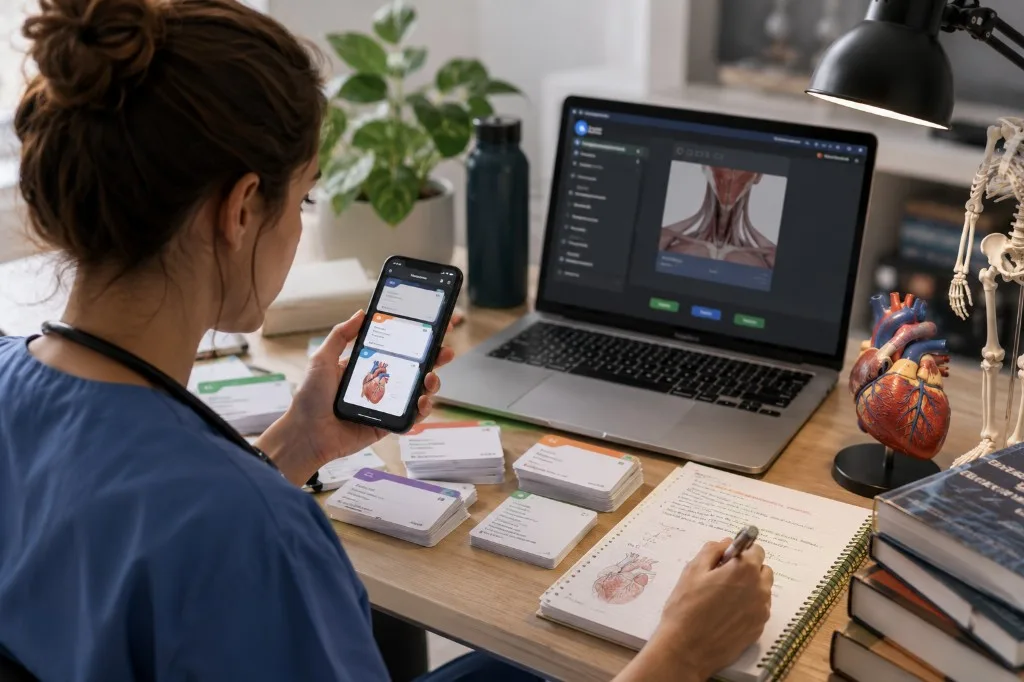
A study of graduate-entry medical students found no overall exam advantage for casual Anki users — but students who used it consistently and extensively performed significantly better.
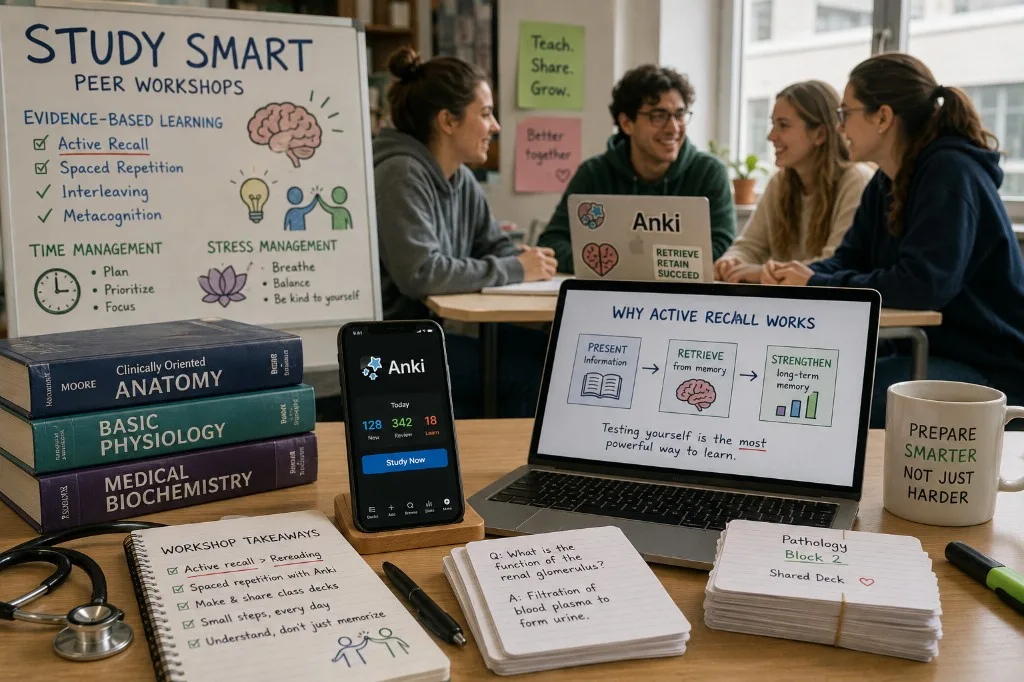
A German “Study Smart” program found that students who attended peer-led workshops were more likely to adopt active recall and shared Anki decks.
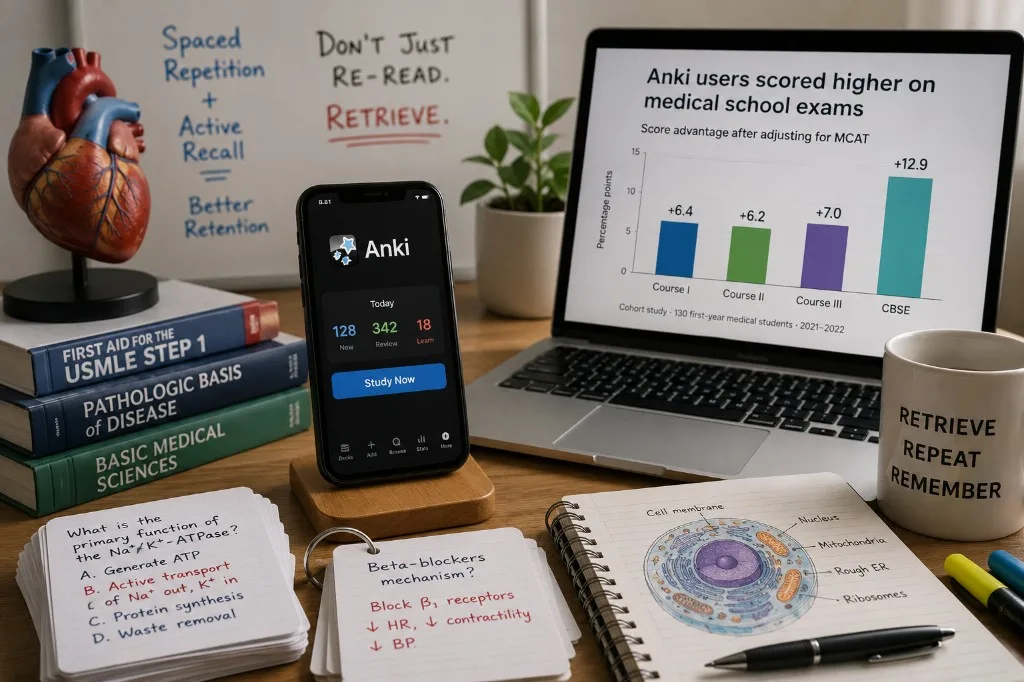
A cohort study found that medical students who used Anki scored higher on exams on average, even after accounting for prior test performance.
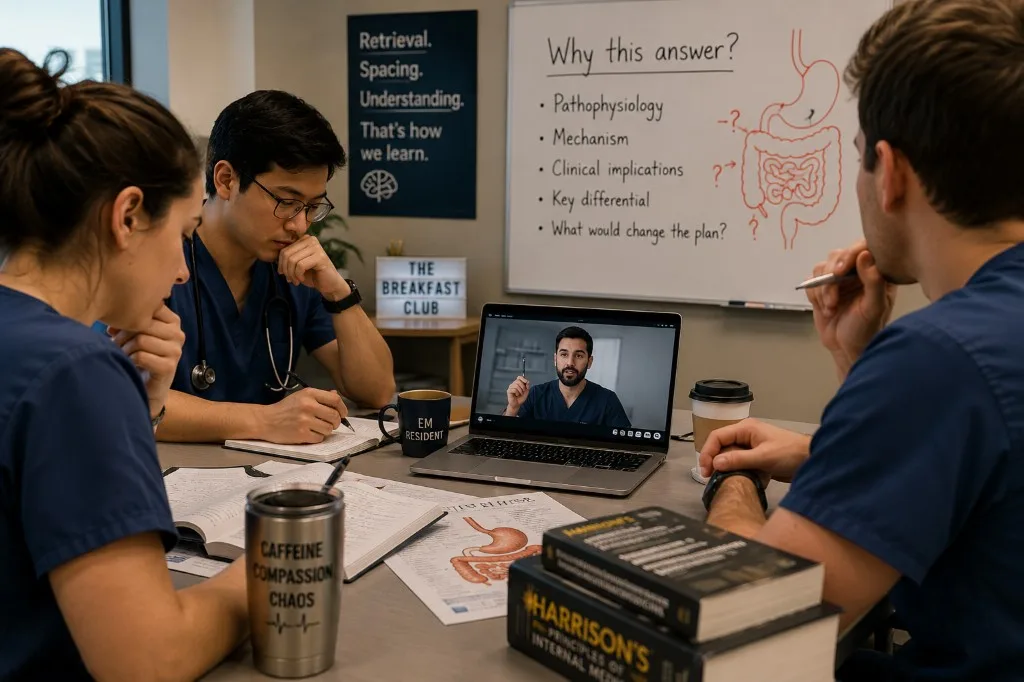
A small emergency medicine residency study suggests that even a single structured session using retrieval practice and explanatory questioning may improve both short- and longer-term test performance.
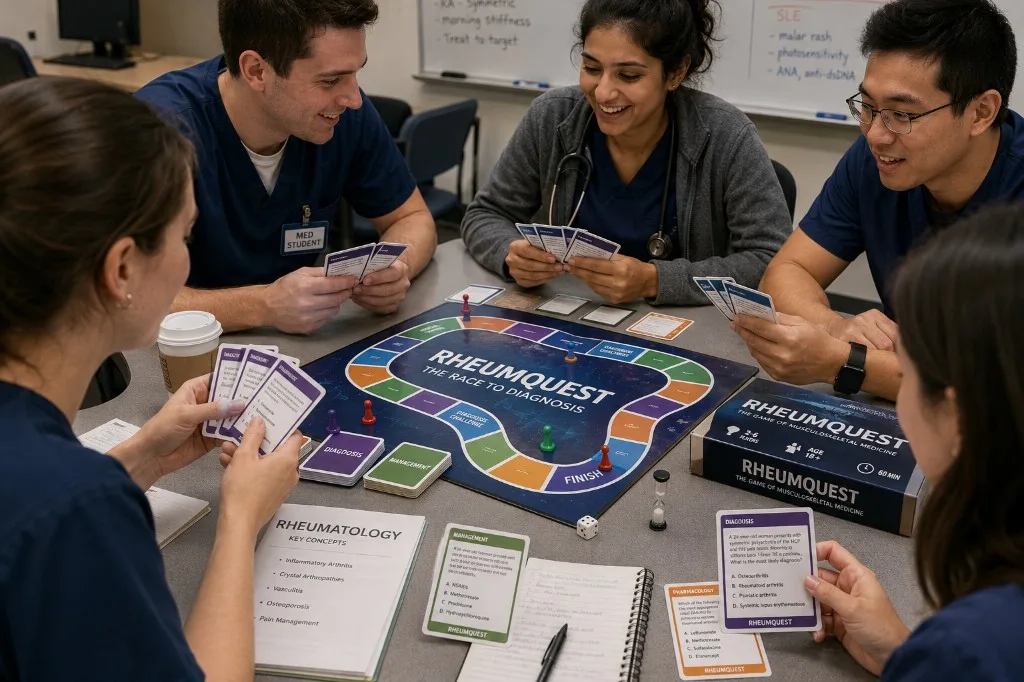
RheumQuest paired competitive gameplay with clinical Q&A cards; knowledge scores rose modestly and confidence improved in a one-hour clerkship session.

A survey of 318 students found Anki users report better retention for pharmacology and pathology, though grades did not differ significantly.

A 2026 Sensors paper reports that DRAKT, which combines reinforcement learning with a forgetting curve, predicted student performance better than common baselines.
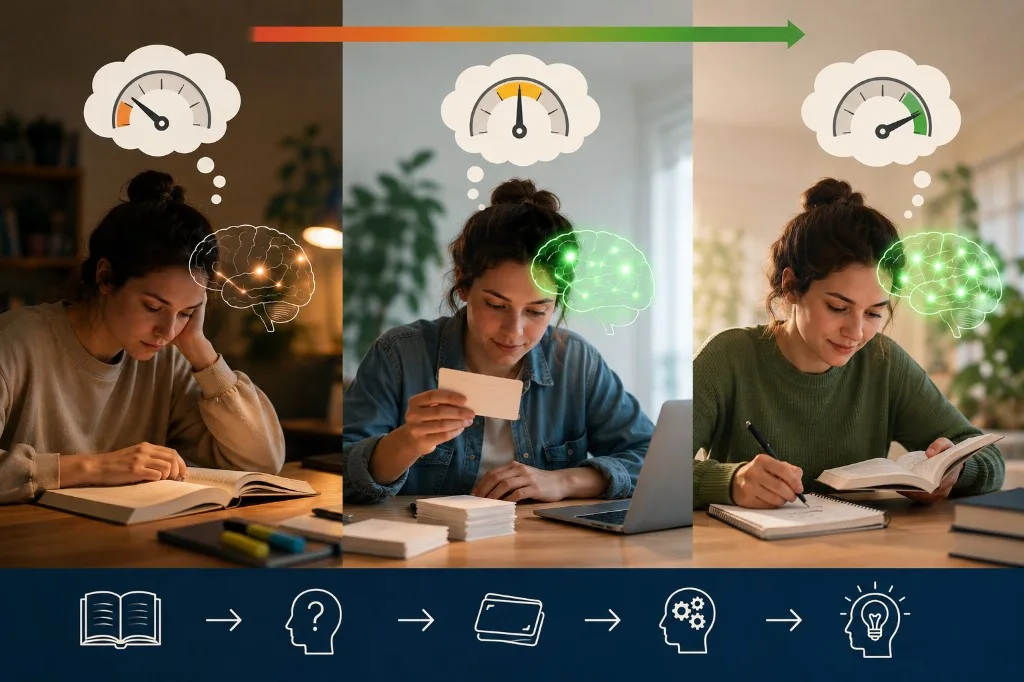
Three experiments suggest that predicting how well you will remember something can improve memory — but the benefit shrinks when learners already use effortful strategies like spaced repetition or reading aloud.

A small RCT in knee-surgery instrument nurses found forgetting-curve scheduling beat conventional review — with gains still visible one month later.
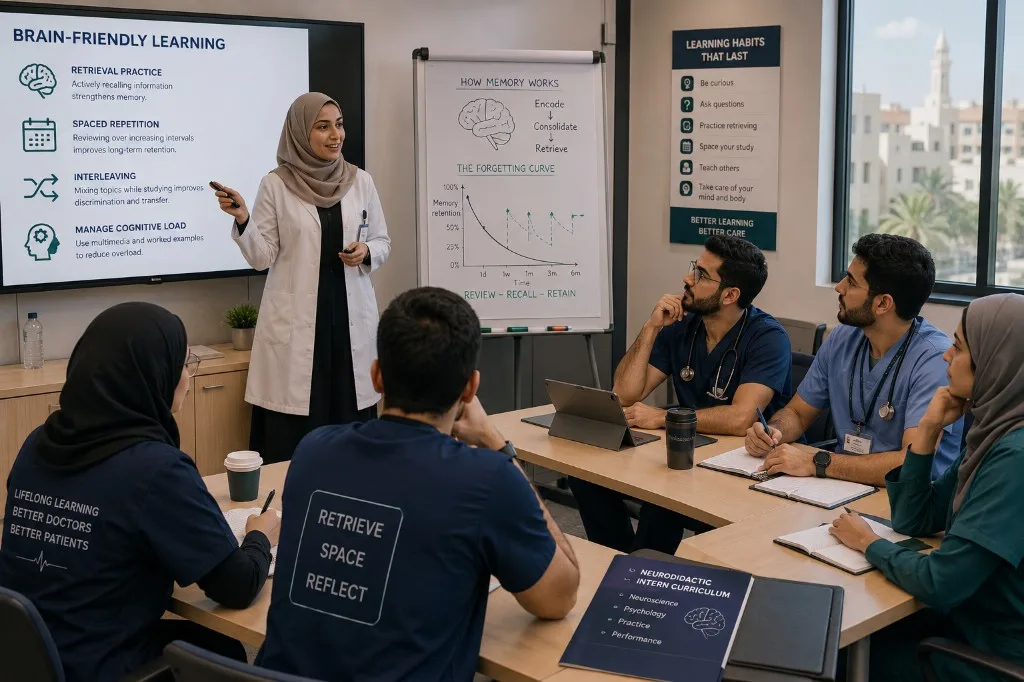
Saudi medical interns took modules on brain-friendly study habits; surveys showed higher engagement, lower reported stress, and improved workplace assessments.

A survey of 31 UK medical students found PassMedicine, Anki, and other external resources dominated AKT prep, with ChatGPT emerging as a study aid.
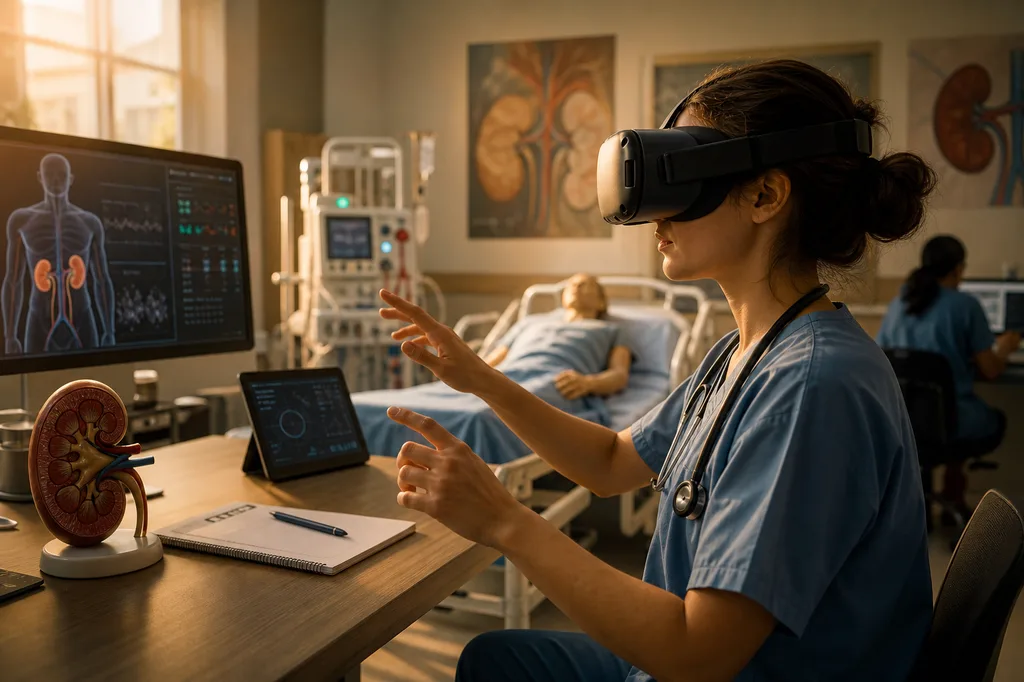
A mandatory VR module on rapidly progressive glomerulonephritis raised pre-post test scores with high acceptance; tutor-guided sessions beat self-paced ones by 5.5 points.

Two Prolific-based studies found no clear advantage for retrieval practice over restudying, despite delayed tests, feedback, and attention checks — raising questions about online learning research conditions.

A large survey suggests many students already know about retrieval practice and spaced learning, yet avoid them because they feel difficult, stressful, or time-consuming.
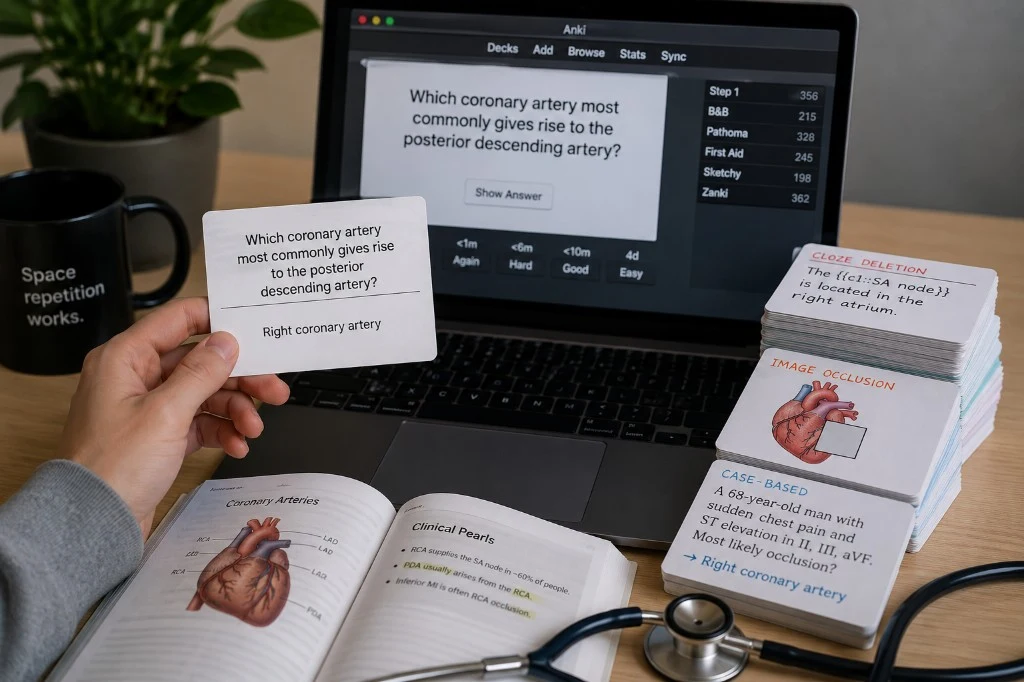
The DEAME framework gives educators and students a shared vocabulary for electronic flashcard design after analyzing 1,300 cards from popular medical Anki decks.
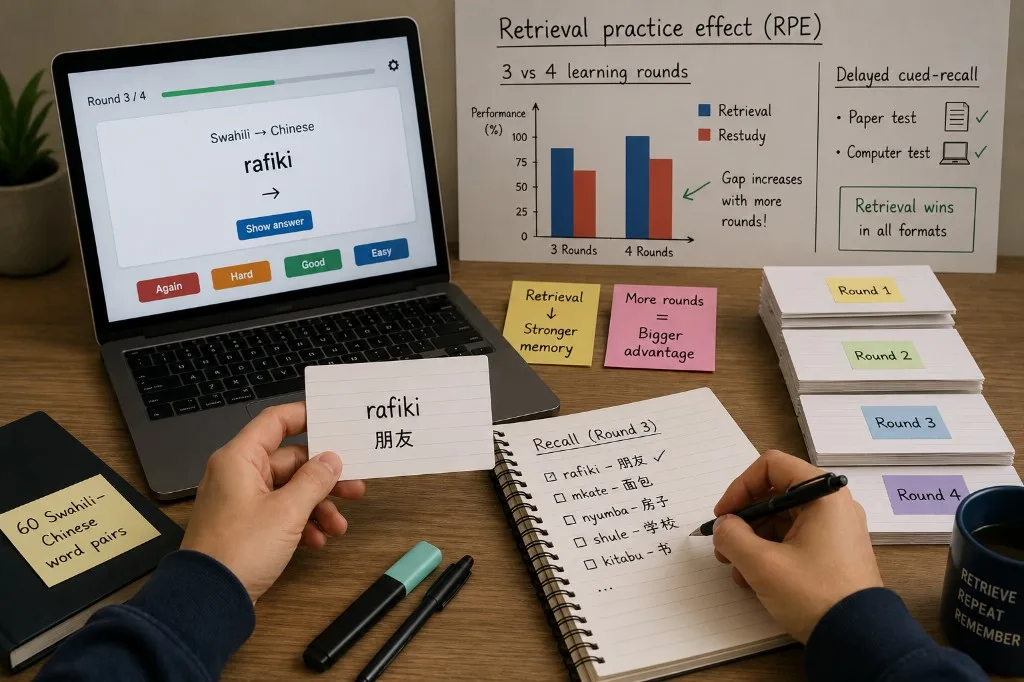
A vocabulary-learning study suggests the advantage of active recall over passive rereading becomes stronger as learners complete more rounds of retrieval practice.
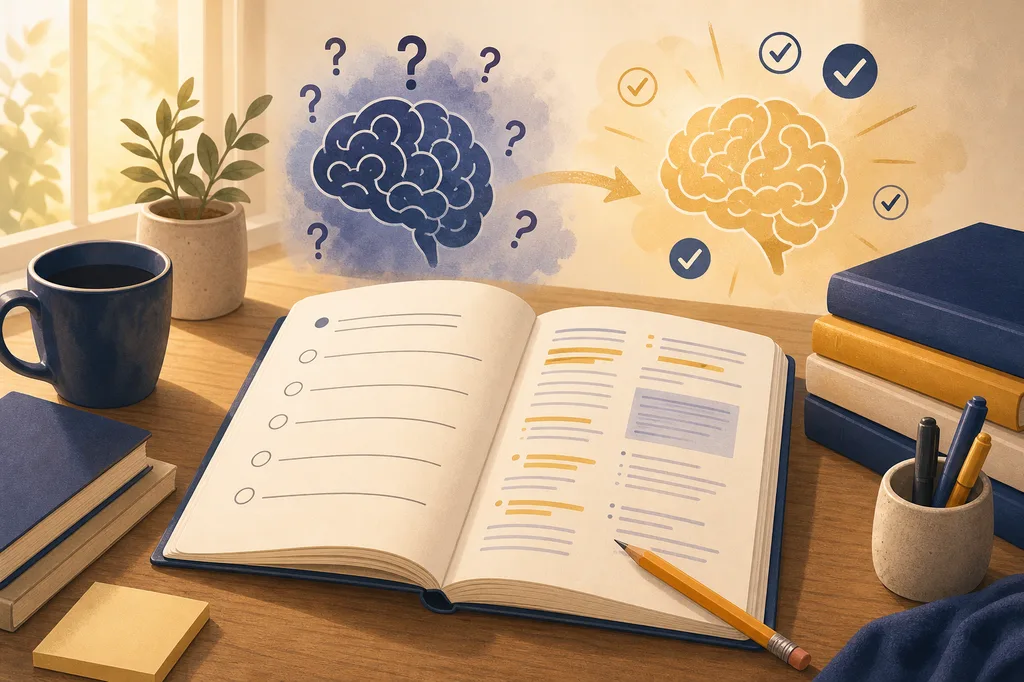
Three experiments found pretests, post-tests, and copy-test-copy all beat passive copying — yet learners underestimated how much testing helps.
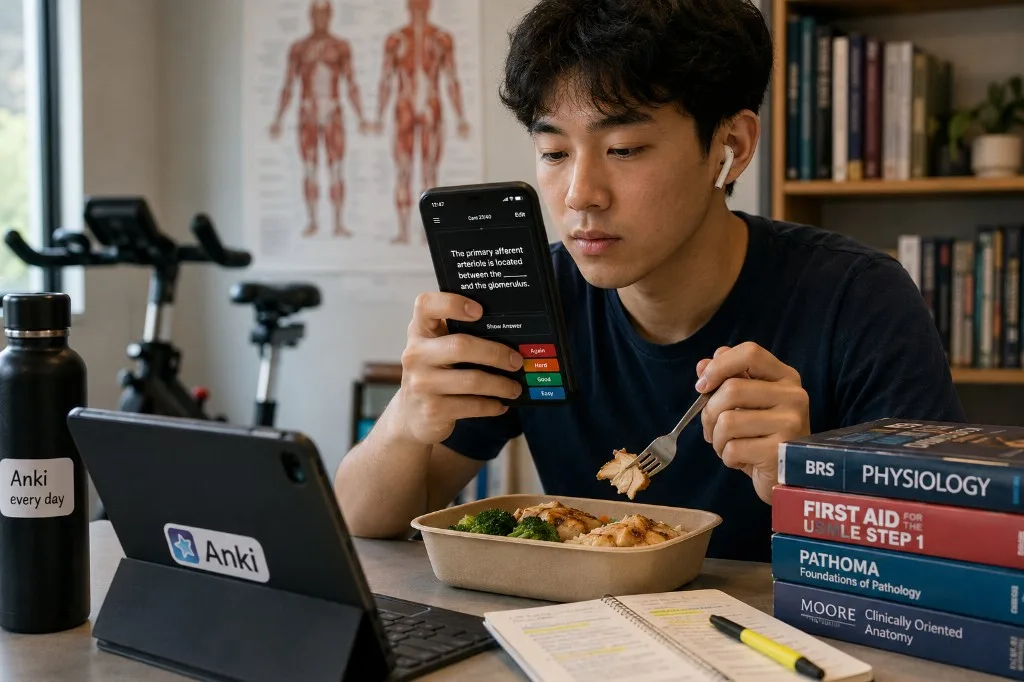
A survey of 74% of one U.S. medical class found heavy reliance on pre-made decks, fill-in-the-blank cards, and multitasking during Anki sessions.
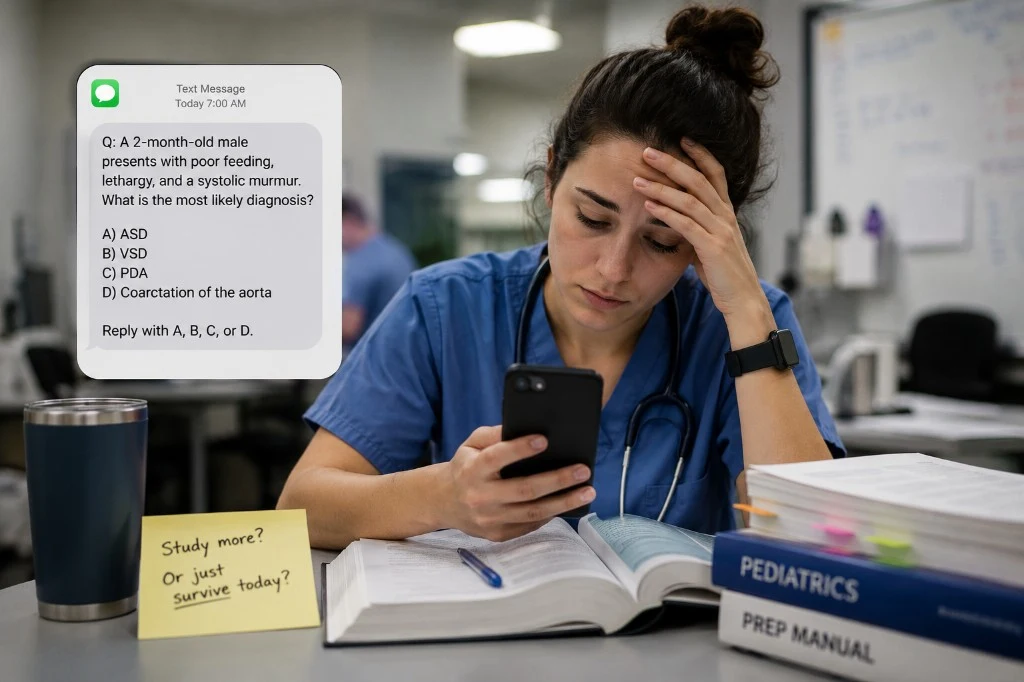
Nearly 300 pediatric residents received one practice question per day for a year — but most barely engaged, and exam scores did not meaningfully change.

A 2025 JMIR AI study found GPT-4 far outperformed ChatGPT-3.5 on 598 emergency medicine board questions, while custom Anki tuning showed no clear accuracy gain.
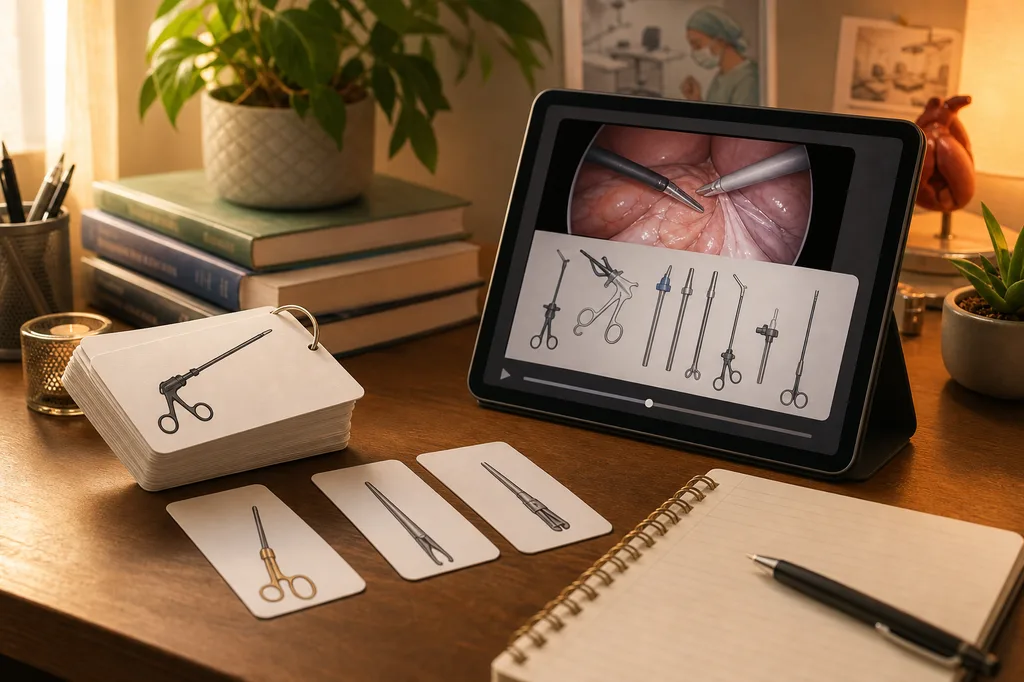
A two-group study of 52 operating-room nursing students found both 13-card flashcard sets and a 6-minute video improved test scores; the video group led on the post-test.
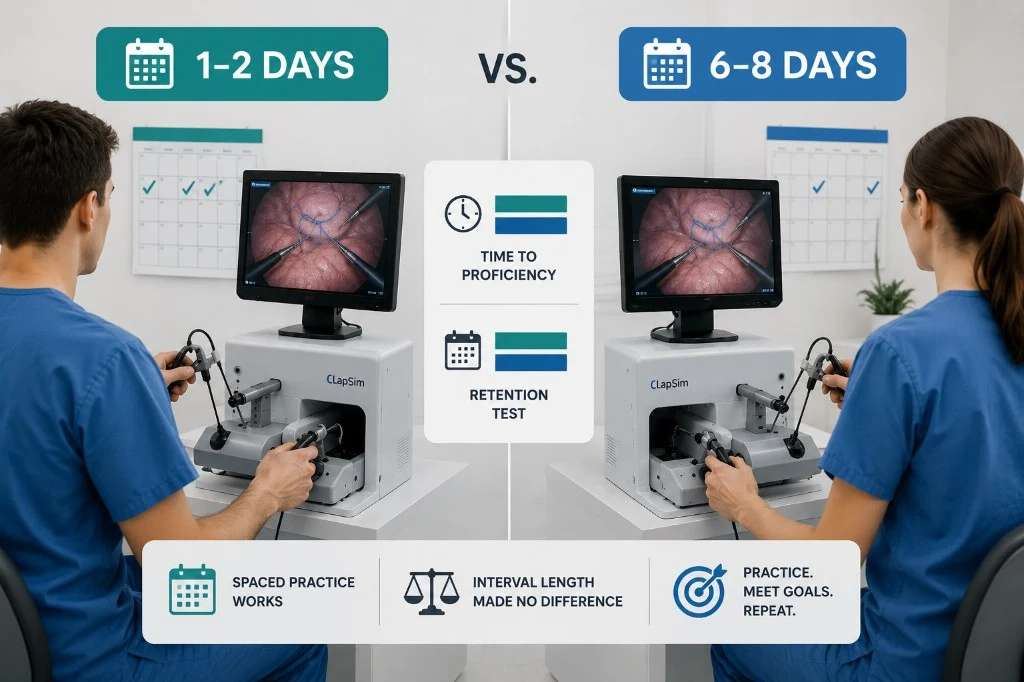
Medical students training on a laparoscopy simulator reached proficiency in similar time whether sessions were spaced by 1–2 days or nearly a week.
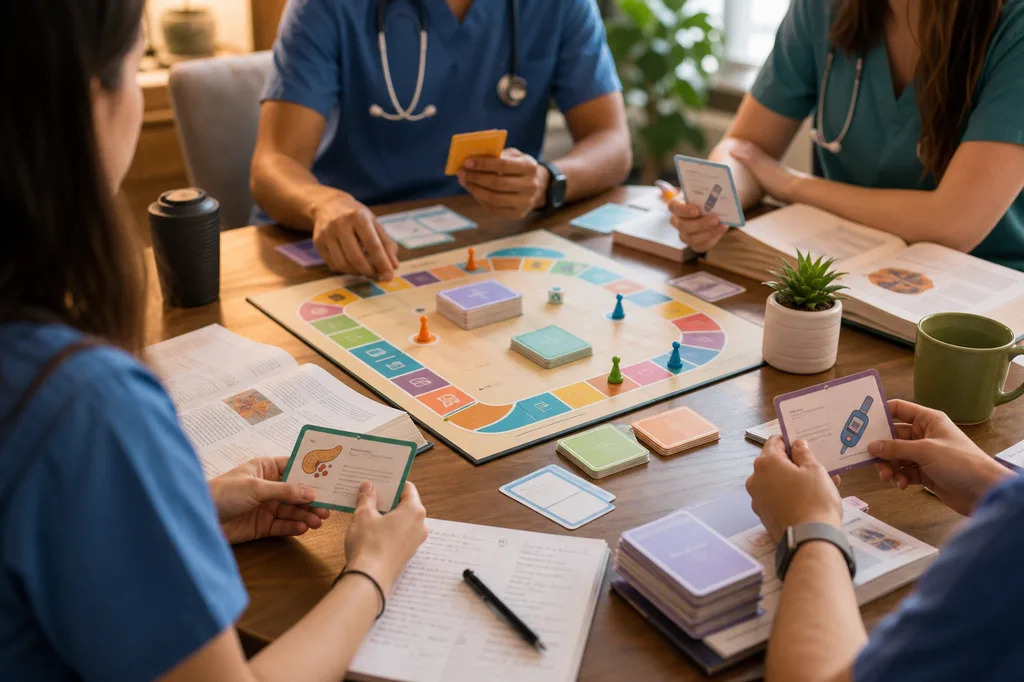
In a MedEdPORTAL report, 102 medical students used the Candy Gland diabetes board game and showed modest knowledge gains plus higher confidence.